Healthcare
A sustainable solution for disinfection in healthcare environments
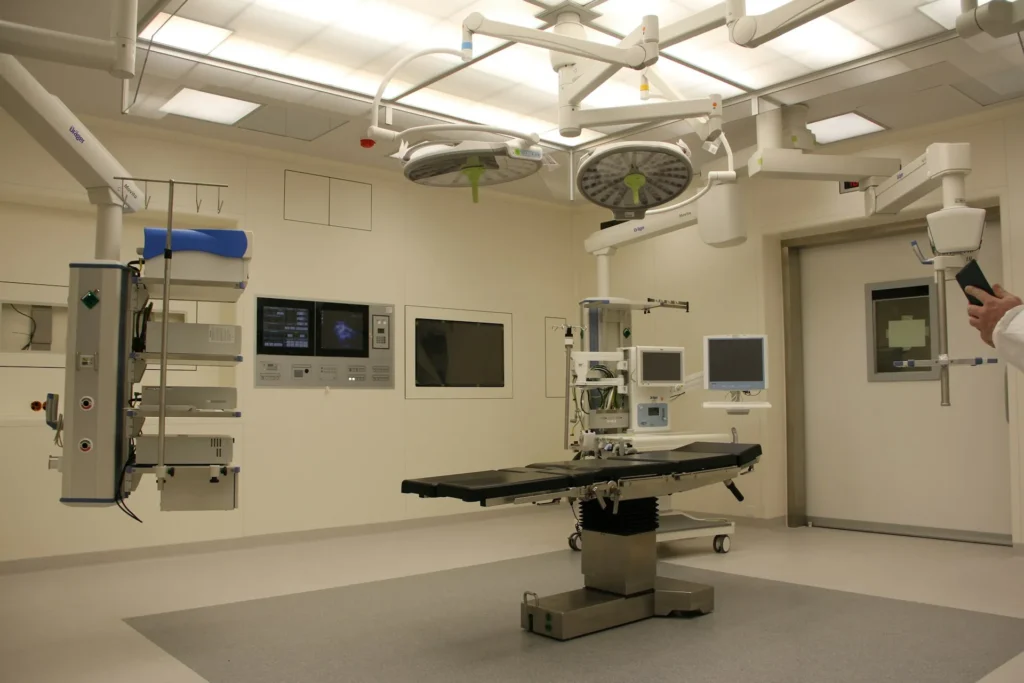
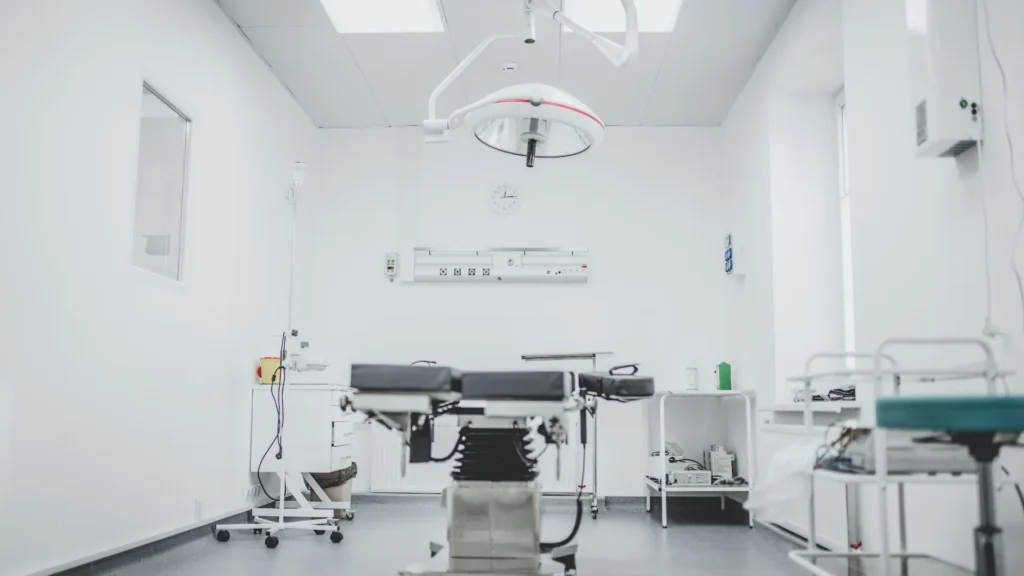
In healthcare environments, every detail matters. Solus’s Multi-Purpose Disinfectant provides a reduced-toxicity option when used as directed for authorized hard, non-porous environmental surfaces in healthcare facilities. Follow the label and check material compatibility.
Application Areas
Environmental hard surfaces
Supports disinfection of authorized hard, non-porous environmental surfaces in healthcare facilities. Check material compatibility and follow the label.
Patient rooms, common areas, and high-traffic spaces
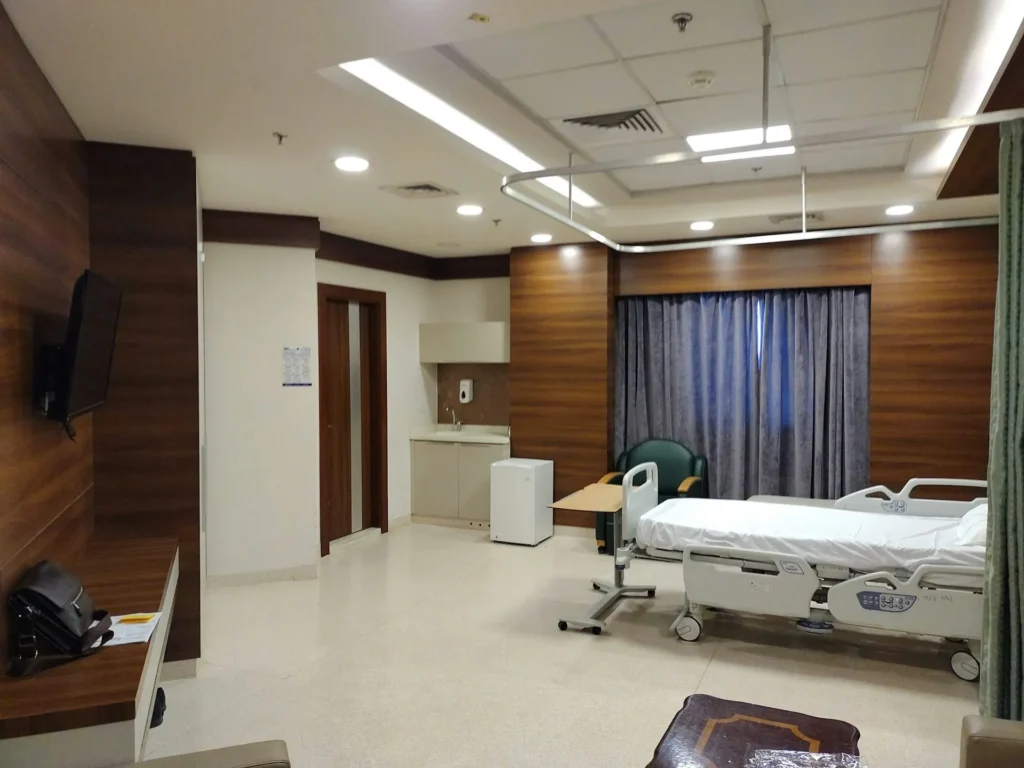
Use on authorized hard, non-porous environmental surfaces according to the label in patient rooms, common areas, and high-traffic spaces.
Healthcare environmental areas
Use on authorized hard, non-porous environmental surfaces according to the label; this does not claim device sterilization or high-level disinfection.
Environmental hard-surface disinfection
Use the Multi-Purpose Disinfectant on authorized hard, non-porous environmental surfaces according to the label.
Reimagined disinfection
Use around people
A lower-toxicity formula when used as directed, with no harmful fumes, helping reduce exposure risks for staff and patients.
Low residue
Does not leave a lasting residue on surfaces. Follow the label, including applicable rinse directions.
Pre-clean before disinfection
Remove visible soil before disinfection, then follow the label contact time and other directions.
Low corrosivity
Check material compatibility and follow the label to help limit unnecessary surface wear.
Toxic and irritating
They can pose a health hazard, often require protective equipment, and increase exposure risks for staff.
Leave residues
They can contaminate surfaces after application, requiring additional steps such as rinsing to ensure safety.
Lose effectiveness in real-world conditions
Their performance decreases significantly in the presence of organic matter, reducing their real-world ability to disinfect effectively.
Corrosive to equipment
They damage materials over time, leading to breakage, wear, and higher operational costs.