Food Processing
A sustainable solution for disinfection in the food industry
In food environments, sanitation is essential to ensure product safety and compliance with standards. Solus offers a Multi-Purpose Disinfectant for authorized hard, non-porous surfaces. It provides a reduced-toxicity option when used as directed and integrates into label-led sanitation procedures.
Application Areas
Processing surfaces and equipment
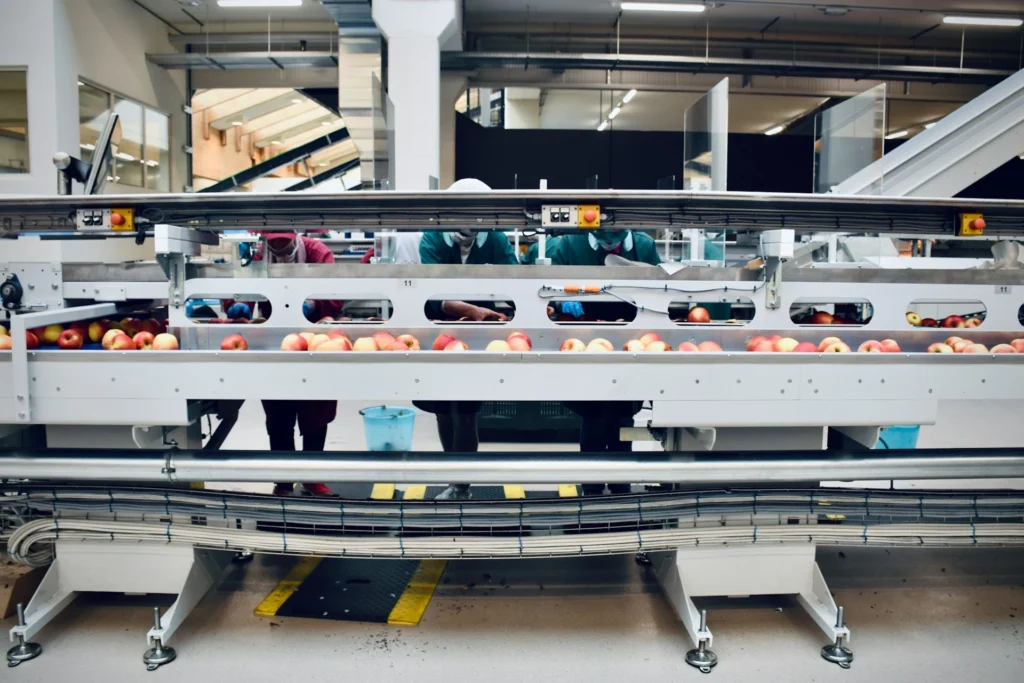
Supports disinfection of authorized hard, non-porous surfaces such as tables, conveyors, production equipment, and tools. Rinse food-contact surfaces with potable water per the label.
Production and preparation areas
For kitchens, processing plants, and food-handling areas, follow the label and rinse food-contact surfaces with potable water after disinfection.
Water systems and indirect-contact surfaces
Use only on authorized hard, non-porous surfaces and in the use areas stated on the label.
Label-led surface disinfection
Pre-clean visible soil and disinfect authorized hard, non-porous surfaces according to the label.
Reimagined disinfection
Use around users and food-processing areas
A lower-toxicity formula when used as directed, with no harmful fumes and a residue-conscious approach, helping reduce exposure risks for employees while supporting hygienic management of food-contact surfaces. Rinse food-contact surfaces with potable water per the label.
Residue-conscious use
Follow the label and rinse food-contact surfaces with potable water after disinfection.
Label-led procedures
Pre-clean visible soil, apply the Multi-Purpose Disinfectant to the authorized hard, non-porous surface, maintain the label contact time, and complete any required potable-water rinse.
Use on equipment and surfaces
Respects equipment, stainless steel surfaces, and production facilities. Reduces premature wear, breakage, and maintenance costs, while extending equipment lifespan.
Toxic and irritating
They can pose a risk to employees and require protective equipment. Frequent use increases exposure risks and complicates operations in food environments.
Leave residues
They can contaminate surfaces and come into indirect contact with food, increasing risks to food safety. They require thorough rinsing to prevent any contamination.
Lose effectiveness in real-world conditions
Their performance decreases rapidly in the presence of fats, proteins, or food debris, which limits their real-world effectiveness in production conditions.
Damaging to equipment and surfaces
They can damage surfaces and equipment, including stainless steel, leading to premature wear, higher maintenance costs, and production downtime.